Byline: Mehul Shah
When we talk about transforming rural health, discussion often jumps to policy: how to address funding levels, workforce shortages, or medication availability in healthcare deserts. But policy talk in the absence of comprehensive data falls short. After 35 years working with clinical research data and federal health agencies, CTIS brings a perspective on the data bottleneck—and opportunity—for transforming rural health through data-driven policy: Implementation of cross-agency data sharing platforms that ensure comprehensive, secure data transparency across federal, state, local, and tribal levels. This innovation is crucial to understanding the real, geography-specific challenges of rural healthcare and moving past claims-only data that hide the unmet healthcare needs of many rural Americans.
Initiatives like the Rural Health Transformation (RHT) Program—administered by the Centers for Medicare and Medicaid Services (CMS) and implemented by states—are crucial to addressing rural-urban health disparities. With goals to expand care access, strengthen the rural health workforce, and modernize technology and care models, RHT-funded states can make a real impact on rural health outcomes. But to succeed, programs like RHT will need a higher-fidelity, cross-agency data picture—one that securely integrates research data from the National Institutes of Health (NIH), pharmacovigilance and safety data from the Food and Drug Administration (FDA), CMS’s claims and payment data, and relevant local datasets.
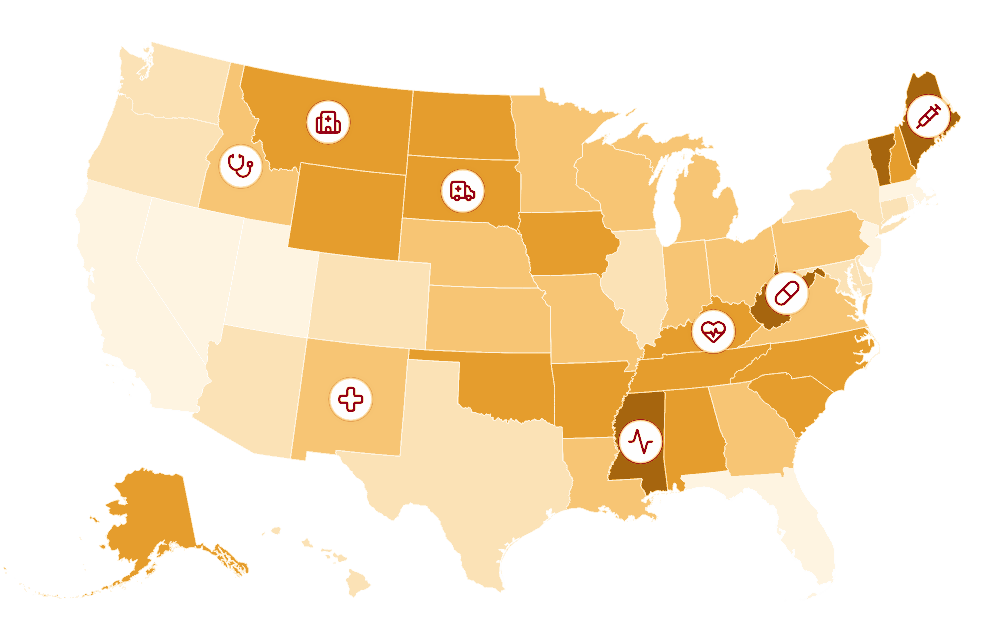
Today, CMS relies heavily on claims data to understand what is happening in rural communities, despite recent efforts to address data gaps on urban-rural health disparities. But claims data obscures the full picture. It tells you what healthcare services were used, how much they cost, and how they were billed, but it doesn’t tell you much about local medication or provider shortages, how disease prevalence is evolving in specific areas, the drugs most often prescribed to treat them, and the safety profiles for those treatments. This mismatch between the complexity of the problems and the simplicity of the data used to solve them is a risky blind spot.
A true cross-agency data collaboration platform raises the fidelity of the picture. It gives CMS and states a clearer view of the challenges so they can make the right decisions on workforce, access, technology, and innovative care. At CTIS, our decades of experience with the National Institutes of Health (NIH) and with clinical trials has reinforced the best practices of ensuring multiple datasets inform decision making. For decades, clinical trials have combined study data, safety data, outcomes data, and real-world follow-up. The level of fidelity we routinely demand in clinical research is one that shapes CTIS’s approach to cross-platform data sharing to support Health IT initiatives.
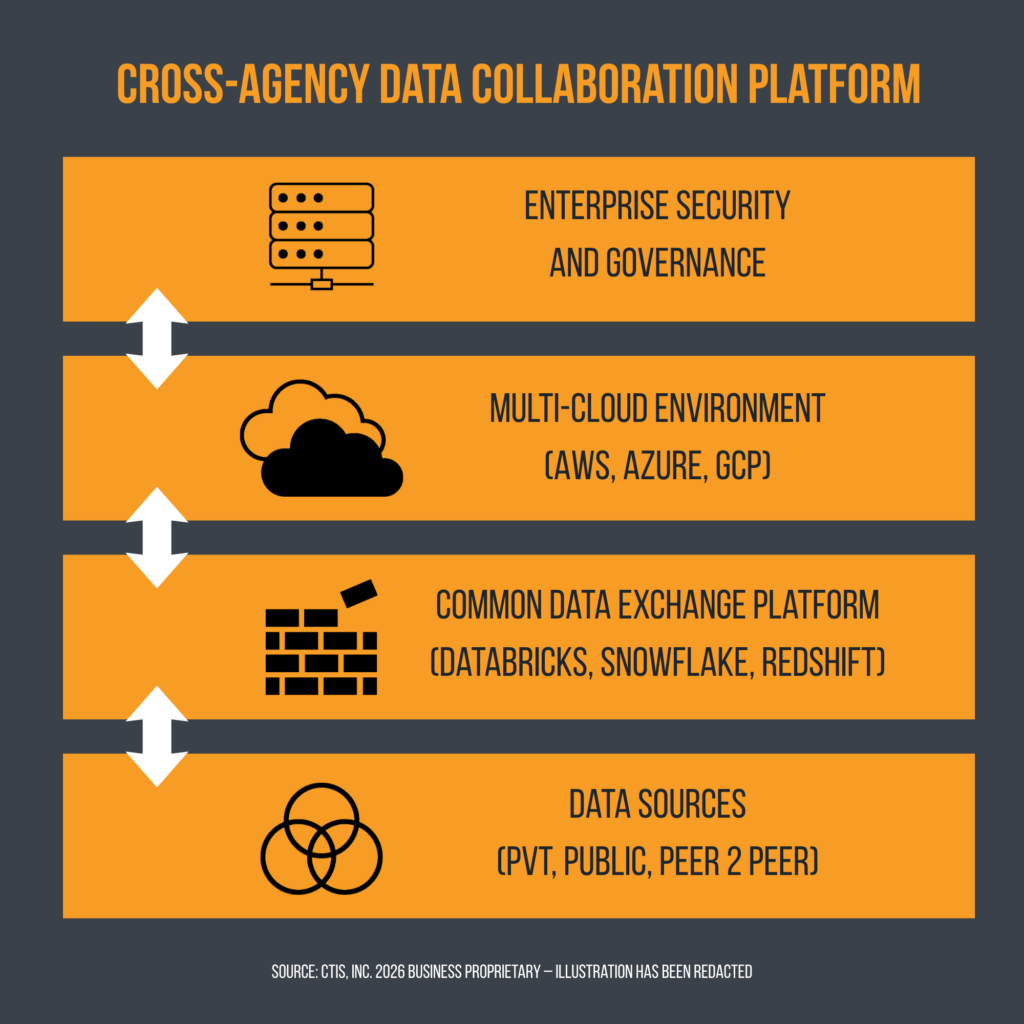
Key Considerations for Cross-Agency Health Data Sharing Platforms
Better data access can address one of the biggest and most expensive pain points for rural health providers: reimbursements. Earlier in my career I worked as a medical representative and saw firsthand how differently decisions about drugs and policy played out in urban practices where large practices and hospitals were less dependent on claims being paid quickly. In rural settings, however, providers work with narrow margins and smaller populations, so slow or partial reimbursement can increase burden on these providers and their patients.
With integrated cross-agency data, CMS can make more informed reimbursement policies for rural providers that consider economic burden, actual local costs versus reimbursement rates, and the true impact of specific diseases on rural populations. This may lead to faster reimbursements and incentives for rural health providers. Importantly, the agency can also leverage cross-agency data to improve drug reimbursement policies and pricing. For example, NIH clinical research data can help CMS negotiate pricing based on actual drug performance in specific geographies; incorporating real-world evidence (RWE) may give the agency leverage to drive down drug prices.
The technology that drives cross-agency data sharing is just one piece of making this work. Equally important are data use agreements and the governance around them. These must be in place in order to integrate datasets across agencies and clinics. Existing data use and sharing agreements across agencies are often narrowly scoped to single studies, rather than allowing for ongoing, multi-organization collaboration. So, establishing rules for data sharing across multiple stakeholders for the RHT Program will need to be addressed first.
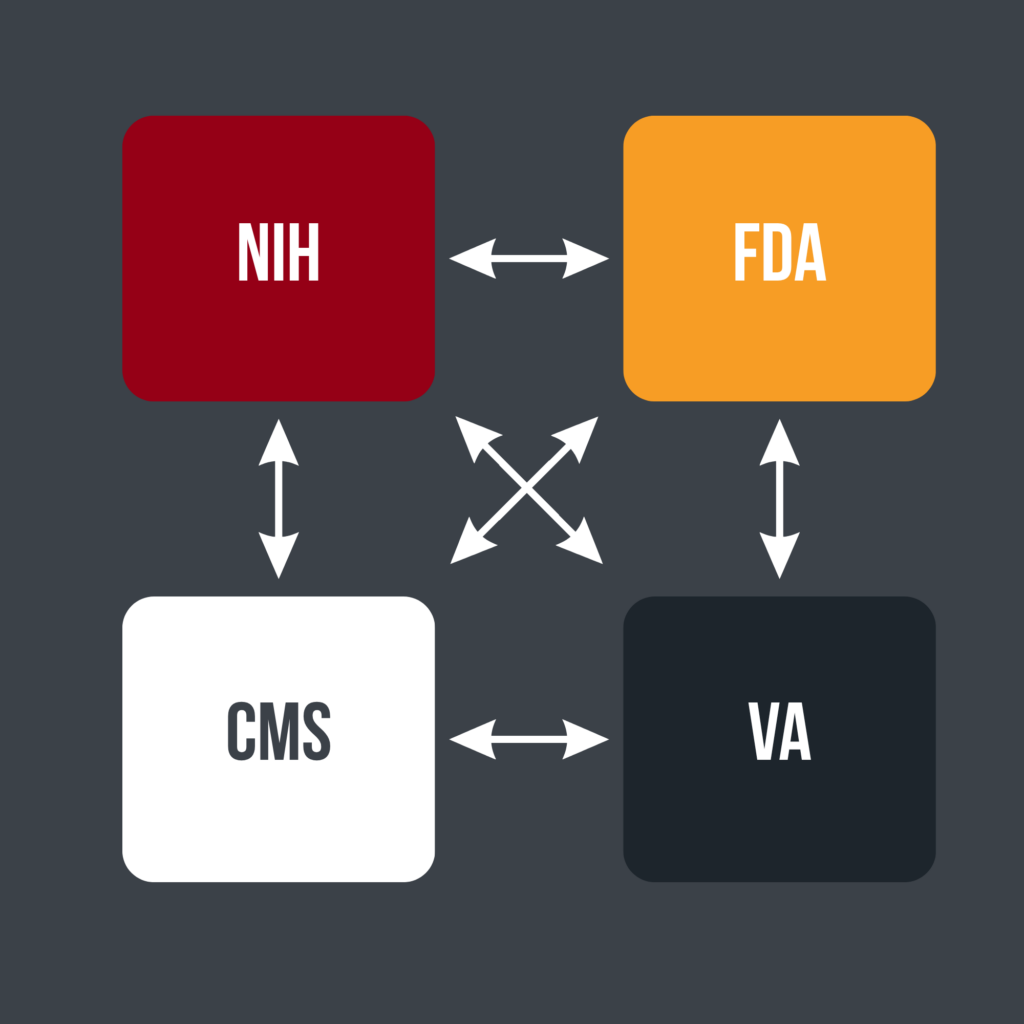
With data sharing agreements in place, a robust cross-agency platform can become an important tool for streamlining compliance and governance of data sharing across the program. Specifically, it can help to automate the onboarding of new datasets and track, monitor, and report data sharing to ensure compliance with in-place agreements. This governance layer should also support interoperability standards like Health Level 7 (HL7) Fast Healthcare Interoperability Resources (FHIR) and common data models including the Observational Medical Outcomes Partnership (OMOP), helping to enforce consistent rules across agencies and programs.
Even the most sophisticated cross-agency data sharing platform won’t fix every healthcare access challenge in rural America. Connectivity gaps and outdated infrastructure are real constraints that other industry partners will be best positioned to address. But robust health IT platforms can extend the reach of cross-agency data into everyday rural workflows that have a meaningful impact. At CTIS, we see a role for mobile apps with an AI/ML layer to support training, education, and outreach for patients, providers, and nurses; to monitor rural health; and to integrate back into electronic health records (EHRs) using gamification, tailored education, and performance tracking.
The RHT Program offers a chance to make a real impact on rural health outcomes, but the work it funds depends on the right data foundation: moving beyond a claims-only lens to a high-fidelity, cross-agency view of rural health; using that view to design smarter, less burdensome reimbursement and drug policies; leveraging better data access and AI/ML-powered tools to assist providers and empower patients; and putting in place the data sharing agreements, governance, and compliance tools that make sustained cross-agency collaboration possible.
Learn more about CTIS’s health IT capabilities.