Categories
Blog Insights News

CTIS Earns 2026 WTOP News Top Workplace Award for Federal Health IT

CTIS Earns 2026 WTOP News Top Workplace Award for Federal Health IT

June 24, 2026

CTIS, Inc., a Women-Owned Small Business (WOSB) headquartered in Rockville, Maryland, today announced its selection as a 2026 WTOP News Top Workplace. The designation is based entirely on confidential results from the independent Energage Workplace Survey, a research-backed assessment of employee engagement, leadership quality, and organizational culture. The recognition reflects the workforce stability and employee engagement that have sustained CTIS’s federal health IT delivery at the National Institutes of Health (NIH) for nearly four decades.

“This recognition carries weight because it comes from the people who do the work, our clinical informaticists, data engineers, and health IT specialists who support NIH programs every day,” said Bharti Shah, CEO of CTIS, Inc. “When employees stay, they build the kind of institutional knowledge and domain depth that you cannot replicate through hiring alone. That continuity is what allows us to deliver consistently across contract cycles, and it is why we are investing in AI-native training and professional development, so our teams are equipped for the next generation of federal health challenges, not just today’s.”

CTIS has maintained a 93.7% employee retention rate across its active federal health IT programs. On its longest-running engagement, NCI’s Cancer Therapy Evaluation Program Enterprise System (CTEP-ESYS), a clinical research informatics platform CTIS originally developed in 1996, more than 30 team members have served continuously for over a decade.

The company delivers through GSA MAS, CIO-SP3 Small Business, and SPARC-SB contract vehicles, providing federal agencies with established procurement pathways for health IT modernization and AI-enabled clinical research solutions. CTIS recently earned the SAFe AI-Native Charter Partner designation, reflecting its investment in equipping delivery teams with the frameworks and skills required for responsible AI adoption in regulated federal health environments.

The Energage Workplace Survey, which administered the assessment underlying the WTOP Top Workplaces program, measures the key drivers of employee engagement and organizational health, including how employees experience leadership, support, growth opportunities, and their connection to the organization’s mission. For more information on the survey methodology, visit energage.com or topworkplaces.com.

Categories
Blog Insights News

Five Common Pitfalls in E2B(R2) to E2B(R3) Conversion—and How to Resolve Them

Five Common Pitfalls in E2B(R2) to E2B(R3) Conversion—and How to Resolve Them

June 10, 2026

Key Takeaways

This article addresses five critical pitfalls often faced in converting E2B(R2) data to the E2B(R3) format for individual case safety reports (ICSRs): underestimating the data model complexity, incomplete field mapping, persistent validation failures, schema-level errors, and scarce pharmacovigilance expertise. These challenges can create costly submission delays and compliance risks, particularly for smaller companies and contract research organizations (CROs). Automated, purpose-built conversion platforms can help address these obstacles. Organizations selecting a platform to ease conversion processes should prioritize key features including intelligent mapping, multi-layer validation, and expert support—helping them achieve full E2B(R3) compliance quickly and cost-effectively.

Global pharmacovigilance is shifting as health authorities, including the FDA and other regulators, mandate ICSR submission using the E2B(R3) data format for expedited and periodic safety reporting.

For sponsors, CROs, and safety service providers, this transition represents a fundamental re-engineering of how safety data is structured, validated, and transmitted. To ensure compliance, companies must not only understand the new ICH E2B(R3) guideline and regional implementation standards, but reliably generate submission-ready E2B(R3) messages from existing E2B(R2) data. This requires consistent handling of data mapping, enrichment, validation, and routing—tasks that can place a burden on companies without deep in-house E2B(R3) expertise or budgets to develop custom solutions. 

Pitfalls are common and can be costly—and knowing what types of tools and solutions can help avoid them is crucial to meeting the FDA’s upcoming E2B(R3) compliance deadline.

Pitfall 1: Underestimating data model complexity

E2B(R3) is not a simple update. It requires re-architecting the entire safety data model, including new fields, restructured data, and more rigid relationships between elements. This can make manual or semi-automated data mapping projects brittle, expensive, and prone to error.

The Trial SafetyXchange Advantage

Our platform encapsulates the complete R2-to-R3 mapping logic in a managed, configurable service. We handle the intricate re-structuring automatically, eliminating the need for you to develop and maintain complex custom transformation code.

Pitfall 2: Incomplete or incorrect data mapping

Teams tasked with data conversion may erroneously assume a one-to-one correspondence between R2 and R3 data fields. They are in fact significantly different. R3 often requires new information, derived values, or enrichment of existing data to be compliant. Inconsistent mapping across teams or systems leads to poor data quality and submission failures.

The Trial SafetyXchange Advantage

The platform includes centralized, intelligent mapping rules that consistently apply enrichments and defaulting logic. For example, if an R2 message contains a free-text “Route of Administration,” Trial SafetyXchange maps it to the correct R3 codified field, ensuring uniformity and compliance where a manual process might fail.

Pitfall 3: Persistent validation failures and rejections

Regulatory gateways enforce strict validation rules. Generating a file that passes all checks on the first attempt is difficult; highly technical errors for invalid date formats, character length violations, and other rejections are common, leading to rework and potential compliance delays. 

The Trial SafetyXchange Advantage

Integrated, multi-layer validation proactively catches hundreds of specific technical errors before a file is finalized. The system automatically triggers XSD validations to check for and flag any issues with date formatting, code and value lists, and field length and content violations. 

Pitfall 4: Schema-level failures

A frequently overlooked pitfall in E2B(R2) to R3 conversion is the high incidence of schema (XSD) validation failures that prevent downstream business rule checks from executing. This creates the risk of a false sense of assurance where only surfacelevel schema errors are corrected, while other validation issues persist and lead to unresolved regulatory and compliance problems. As a result, teams enter repeated correction cycles without ever reaching a truly submission-ready state.

The Trial SafetyXchange Advantage

By enforcing a schemafirst validation, Trial SafetyXchange ensures structural correctness before applying business rules. It clearly distinguishes between XSD errors and business rule violations, reducing ambiguity and misinterpretation, while providing guided remediation that prioritizes fixes in the proper order. An integrated revalidation workflow then confirms steady progress from basic schema compliance to full regulatory validation.

Pitfall 5: Dependence on scarce pharmacovigilance expertise

A successful E2B(R3) transition has traditionally required a team of specialists who understand the data model, XML standards, and evolving regulatory guidance. These experts are rare, expensive, and difficult to retain.

The Trial SafetyXchange Advantage

Pharmacovigilance expertise is embedded directly into the logic of Trial SafetyXchange, and is augmented by a dedicated team of expert support staff. CTIS informatics specialists are available to help with complex issues or unusual cases flagged by the platform.

Compliance without complexity

As pharmacovigilance teams face complex pitfalls in the E2B(R3) transition process, Trial SafetyXchange offers a seamless solution for automated file conversion and validation alongside expert support—saving time and reducing operational burden.

Learn more about how Trial SafetyXchange can help your organization meet the FDA’s mandate quickly and affordably: www.trialsafetyxchange.com

Categories
Blog Insights

Optimizing Data Security in Healthcare: How CTIS Safeguards Critical Medical Information

Optimizing Data Security in Healthcare: How CTIS Safeguards Critical Medical Information

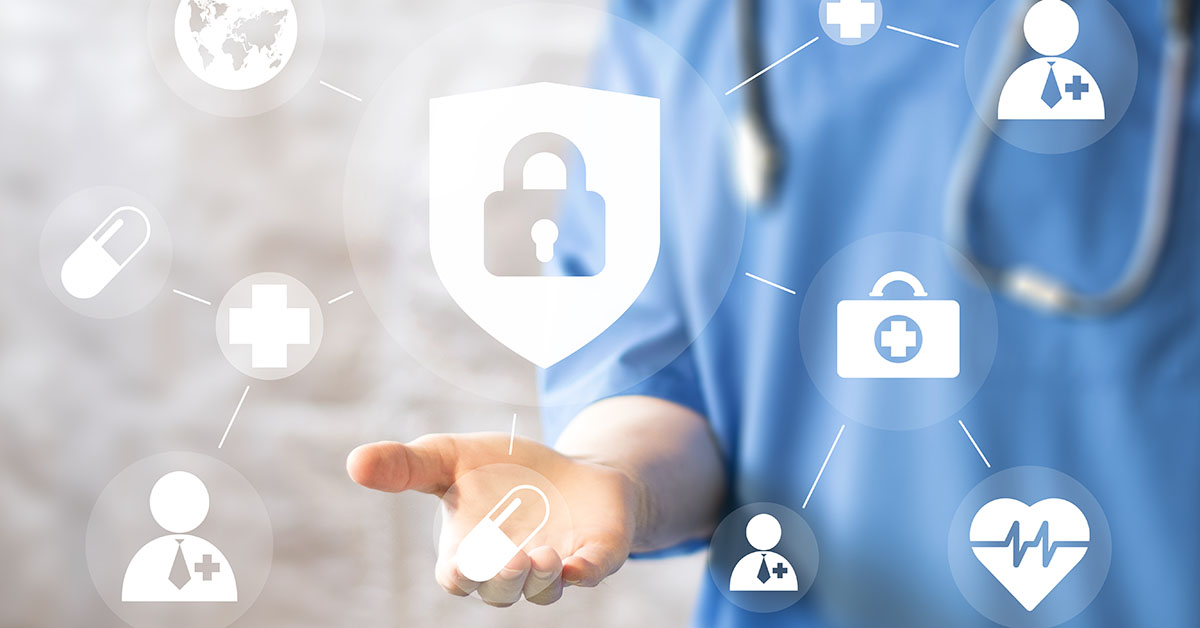
In today’s healthcare landscape, protecting sensitive patient information is a critical concern. The increased use of electronic health records (EHRs), telemedicine, and cloud platforms has made securing data more challenging for healthcare organizations. CTIS, a leader in health IT services, provides robust solutions to safeguard medical data, ensure regulatory compliance, and mitigate the risks of cyberattacks.

The Importance of Data Security in Healthcare

Healthcare organizations manage vast amounts of sensitive information, including patient histories, medical records, financial details, and treatment plans. Securing this data is essential for patient trust, legal compliance, and organizational stability. A data breach can lead to identity theft, financial penalties, legal repercussions, and damage to an organization’s reputation.

Healthcare data is a prime target for cybercriminals due to its high value. Unlike credit card numbers, healthcare data—such as Social Security numbers and medical histories—cannot be easily changed and may be exploited for years. This makes it imperative to prioritize healthcare data protection.

Navigating Regulatory Challenges: HIPAA Compliance

One of the most significant challenges healthcare organizations face is complying with data security regulations, particularly the Health Insurance Portability and Accountability Act (HIPAA). HIPAA requires healthcare providers to implement strict physical, administrative, and technical safeguards to protect patient information.

Non-compliance with HIPAA can result in severe penalties, legal exposure, and loss of trust. With healthcare operations becoming more digital, ensuring compliance becomes more complex as patient data is accessed and stored across multiple platforms and devices.

CTIS helps healthcare providers address these regulatory challenges by offering comprehensive solutions that ensure HIPAA compliance. This includes encryption, access control, and regular audits to keep patient data secure.

How CTIS Safeguards Healthcare Data

CTIS employs a multi-layered approach to healthcare data security, combining cutting-edge technologies with industry’s best practices to protect sensitive information and ensure compliance with regulations like HIPAA. Here’s how CTIS optimizes data security:

  1. Comprehensive Risk Assessments CTIS conducts in-depth risk assessments to identify vulnerabilities within an organization’s IT infrastructure. By understanding specific risks, healthcare providers can implement targeted strategies to address them. This proactive approach is critical for meeting HIPAA’s security standards and safeguarding patient data.
  2. Data Encryption CTIS uses advanced encryption technologies to protect healthcare data both at rest and in transit. Encryption ensures that even if unauthorized individuals access sensitive data, they cannot read or misuse it. This is essential for securing EHRs, billing information, and patient communications.
  3. Access Control and Identity Management To prevent unauthorized access to sensitive data, CTIS implements identity management solutions such as multi-factor authentication (MFA) and role-based access control (RBAC). These measures ensure that only authorized personnel can access or modify patient data.
  4. Continuous Monitoring and Incident Response Cyber threats are constantly evolving, making real-time monitoring crucial. CTIS provides continuous monitoring to detect suspicious activity or potential breaches. In the event of a security incident, CTIS has rapid response protocols to minimize damage and restore operations.
  5. Backup and Disaster Recovery Solutions CTIS ensures that healthcare providers have secure backup and disaster recovery plans. In case of a cyberattack, system failure, or natural disaster, these solutions help restore critical patient data, minimizing disruptions to patient care.

Conclusion

In today’s digital healthcare environment, securing sensitive patient data is more important—and complex—than ever. CTIS offers healthcare organizations the expertise and tools they need to protect patient information, comply with regulations like HIPAA, and mitigate cyber risks. With comprehensive risk assessments, encryption, access control, continuous monitoring, and disaster recovery solutions, CTIS ensures healthcare providers can focus on delivering high-quality care while safeguarding critical medical information.

Categories
Blog Insights

Advancing Cancer Research: How CTIS is Revolutionizing Clinical Trials with Cutting-Edge IT Solutions

Advancing Cancer Research: How CTIS is Revolutionizing Clinical Trials with Cutting-Edge IT Solutions

At CTIS, our team is deeply committed to advancing health decisions and increasing the efficiency of clinical trials through expert data management and analysis. Our collaboration with the National Cancer Institute’s Cancer Therapy Evaluation Program (CTEP) has led us to develop specialized IT solutions that significantly enhance the way cancer trials are conducted. These advanced tools make it easier for researchers to collaborate, speed up the reporting of critical data, and simplify trial processes.

Understanding Clinical Trials: A Simple Guide

Clinical trials play a crucial role in advancing medical science and enhancing patient care. These well-structured studies test new treatments, medications, and procedures to ensure they are safe and effective. They transform laboratory discoveries into real-world treatments that can benefit many. Here’s a straightforward guide to understanding clinical trials and their importance. 

What Are Clinical Trials?

Clinical trials are research studies designed to test new medical methods on people. These methods can include new drugs, medical devices, vaccines, or new uses for existing treatments. The main goal is to determine if these new methods are safe and effective for people.

Phases of Clinical Trials

Clinical trials are divided into phases, each with specific goals:

  • Phase 1: This initial phase tests the new treatment on a small group of healthy volunteers or patients. The focus is on ensuring safety, determining the right dosage, and identifying any side effects.
  • Phase 2: In this phase, the treatment is given to a larger group of patients who have the condition the treatment aims to address. Researchers assess the treatment’s effectiveness and continue to monitor for side effects.
  • Phase 3: This phase involves an even larger group of patients. The aim is to confirm the treatment’s effectiveness, check for side effects, and compare it with existing treatments. Results from this phase are critical for regulatory approval.
  • Phase 4: After a treatment is approved and available to the public, Phase 4 trials continue to observe its long-term effects and gather more data on its safety and effectiveness.

How Clinical Trials Work

Participants join clinical trials through medical centers or clinics. They first receive detailed information about the study, including its purpose, procedures, risks, and benefits, and then consent to participate.

Participants are typically divided into groups. One group may receive the new treatment, while another group gets a standard treatment or placebo (a dummy treatment). This setup helps researchers compare the new treatment’s effectiveness and safety against the standard options.

During the trial, participants are closely monitored. Researchers collect data through tests, questionnaires, and physical exams to understand how the treatment affects them and to identify any potential side effects.

Why Clinical Trials Are Important

Clinical trials are essential for several reasons:

  • Developing New Treatments: They are the primary method for testing and introducing new therapies. Without them, many medical advancements wouldn’t be possible.
  • Improving Existing Treatments: Trials can identify ways to enhance current treatments, making them more effective or reducing their side effects.
  • Ensuring Safety and Efficacy: They ensure that new treatments are thoroughly tested for safety and effectiveness before becoming widely available.
  • Personalizing Medicine: They help in tailoring treatments to individual patients based on their specific needs and characteristics.

Conclusion

Clinical trials are vital for medical research and improving healthcare. They provide the evidence needed to develop and refine treatments. Understanding the phases and processes involved highlights the significant effort behind new treatments and their impact on medicine’s future. If you’re considering participating in a clinical trial, it’s important to consult with your healthcare provider to fully understand the potential benefits and risks.

At CTIS, we’re dedicated to making clinical trials and drug development better. Our hard work has been recognized with awards from esteemed organizations like the National Institutes of Health (NIH) and the National Cancer Institute (NCI). These awards underscore the real difference we’re making in research and treatment. By continually refining clinical trial methods, we help develop new therapies and improve health outcomes. Our mission is to significantly advance medical research, leading to more effective treatments and enhanced patient care.