Categories
Insights News

CTIS Gives Back: Supporting A Wider Circle to Promote Wellness and Equity in Our Community

CTIS Gives Back: Supporting A Wider Circle to Promote Wellness and Equity in Our Community

As we embrace a culture of wellness within CTIS, it is important to also extend it outward to help our neighbors. A Wider Circle is a non-profit organization dedicated to eliminating poverty and promoting equity in the Washington, DC area, supporting sustainability, safety, and opportunities for success.

This month, CTIS teams rolled up their sleeves and gathered together to
donate gently used professional clothing for A Wider Circle clients. This is a fantastic opportunity for us to give back to the community and make a meaningful impact. Be sure to donate or visit A Wider Circle at https://awidercircle.org/

Philanthropy Community Recycling Donations Culture

Categories
Blog Insights

Optimizing Data Security in Healthcare: How CTIS Safeguards Critical Medical Information

Optimizing Data Security in Healthcare: How CTIS Safeguards Critical Medical Information

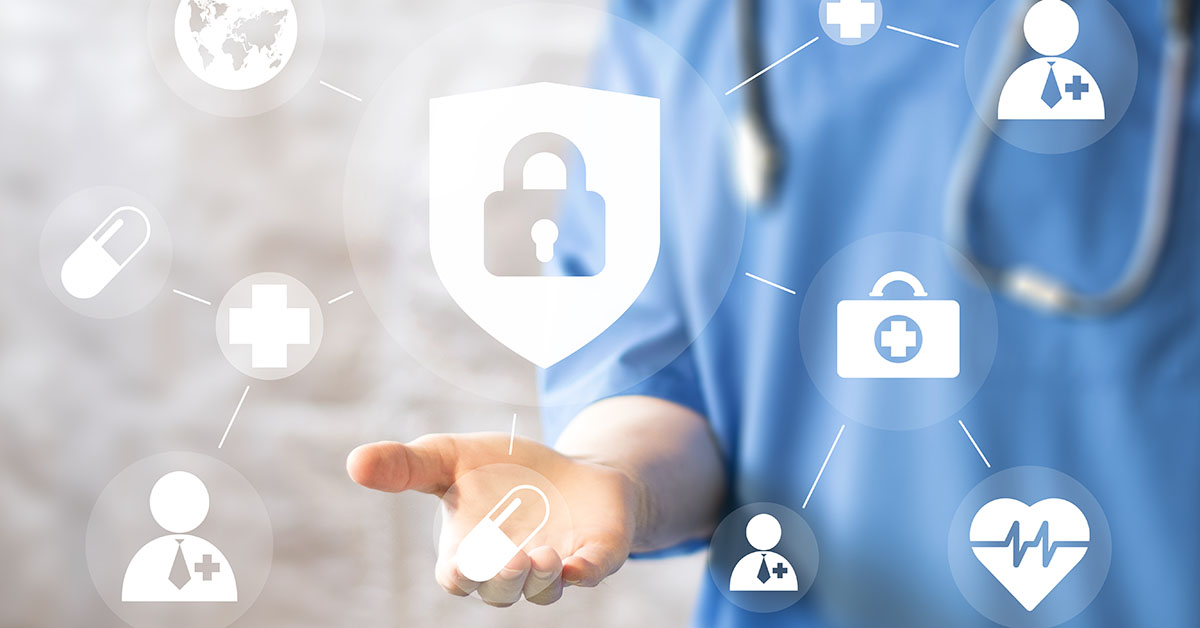
In today’s healthcare landscape, protecting sensitive patient information is a critical concern. The increased use of electronic health records (EHRs), telemedicine, and cloud platforms has made securing data more challenging for healthcare organizations. CTIS, a leader in health IT services, provides robust solutions to safeguard medical data, ensure regulatory compliance, and mitigate the risks of cyberattacks.

The Importance of Data Security in Healthcare

Healthcare organizations manage vast amounts of sensitive information, including patient histories, medical records, financial details, and treatment plans. Securing this data is essential for patient trust, legal compliance, and organizational stability. A data breach can lead to identity theft, financial penalties, legal repercussions, and damage to an organization’s reputation.

Healthcare data is a prime target for cybercriminals due to its high value. Unlike credit card numbers, healthcare data—such as Social Security numbers and medical histories—cannot be easily changed and may be exploited for years. This makes it imperative to prioritize healthcare data protection.

Navigating Regulatory Challenges: HIPAA Compliance

One of the most significant challenges healthcare organizations face is complying with data security regulations, particularly the Health Insurance Portability and Accountability Act (HIPAA). HIPAA requires healthcare providers to implement strict physical, administrative, and technical safeguards to protect patient information.

Non-compliance with HIPAA can result in severe penalties, legal exposure, and loss of trust. With healthcare operations becoming more digital, ensuring compliance becomes more complex as patient data is accessed and stored across multiple platforms and devices.

CTIS helps healthcare providers address these regulatory challenges by offering comprehensive solutions that ensure HIPAA compliance. This includes encryption, access control, and regular audits to keep patient data secure.

How CTIS Safeguards Healthcare Data

CTIS employs a multi-layered approach to healthcare data security, combining cutting-edge technologies with industry’s best practices to protect sensitive information and ensure compliance with regulations like HIPAA. Here’s how CTIS optimizes data security:

  1. Comprehensive Risk Assessments CTIS conducts in-depth risk assessments to identify vulnerabilities within an organization’s IT infrastructure. By understanding specific risks, healthcare providers can implement targeted strategies to address them. This proactive approach is critical for meeting HIPAA’s security standards and safeguarding patient data.
  2. Data Encryption CTIS uses advanced encryption technologies to protect healthcare data both at rest and in transit. Encryption ensures that even if unauthorized individuals access sensitive data, they cannot read or misuse it. This is essential for securing EHRs, billing information, and patient communications.
  3. Access Control and Identity Management To prevent unauthorized access to sensitive data, CTIS implements identity management solutions such as multi-factor authentication (MFA) and role-based access control (RBAC). These measures ensure that only authorized personnel can access or modify patient data.
  4. Continuous Monitoring and Incident Response Cyber threats are constantly evolving, making real-time monitoring crucial. CTIS provides continuous monitoring to detect suspicious activity or potential breaches. In the event of a security incident, CTIS has rapid response protocols to minimize damage and restore operations.
  5. Backup and Disaster Recovery Solutions CTIS ensures that healthcare providers have secure backup and disaster recovery plans. In case of a cyberattack, system failure, or natural disaster, these solutions help restore critical patient data, minimizing disruptions to patient care.

Conclusion

In today’s digital healthcare environment, securing sensitive patient data is more important—and complex—than ever. CTIS offers healthcare organizations the expertise and tools they need to protect patient information, comply with regulations like HIPAA, and mitigate cyber risks. With comprehensive risk assessments, encryption, access control, continuous monitoring, and disaster recovery solutions, CTIS ensures healthcare providers can focus on delivering high-quality care while safeguarding critical medical information.

Categories
Insights News

The Children’s Inn at NIH

The Children's Inn at NIH

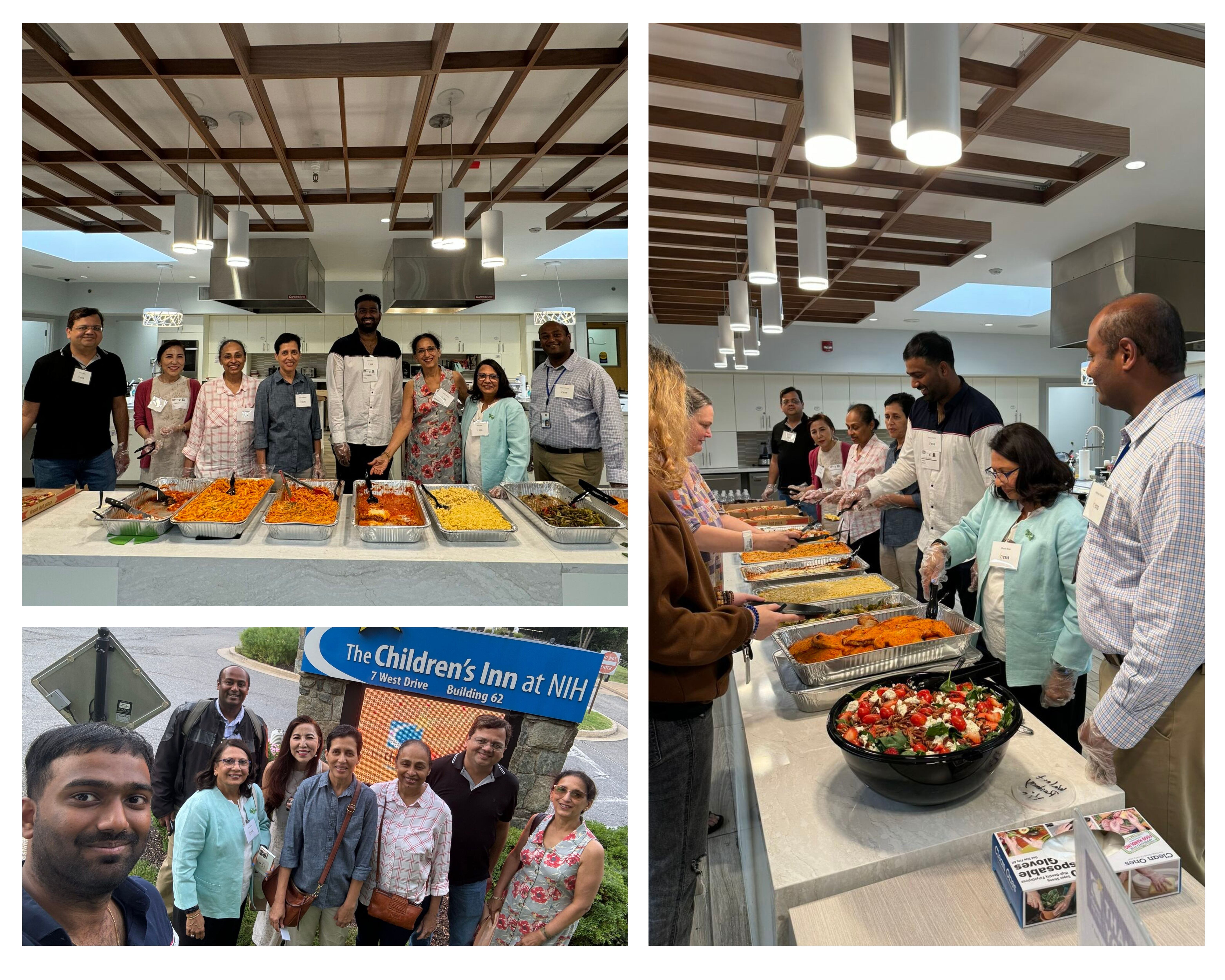
The CTIS team led by CEO Bharti Shah with Ashish Mehta Yuka Felten, CPA Lekha Venugopal Sunita Kallarakal @Kunal Nanaval Madhavi Rahman and Abhijeet Balsaraf – had the honor of visiting The Children’s Inn at NIH yesterday. We served dinner to approximately 30 families staying there while their children receive care and treatment. The team also had the pleasure of spending some time with the children, and giving little gifts of support and encouragement.

CTIS has a long history of work and service to The National Institutes of Health as members of the Children’s Inn Executive Circle and in fielding our contracts that deliver data and health informatics to the medical research community. We are passionately committed to supporting clinical trials and research to eliminate cancer and other diseases.

Philanthropy NIH CancerResearch ChildrensHealth ClinicalTrials thechildrensinn ExecutiveCircle HealthAdvocates SupportingFamilies Community

Categories
Insights News

Oracle Cloud World

Categories
Insights News

Topgolf Get-Together​

Categories
Insights News

Back to the Office!

Categories
Insights News

CIO Blaze Mathew was building on the momentum from AWS PartnerEquip in Washington DC

CIO Blaze Mathew was building on the momentum from AWS PartnerEquip in Washington DC

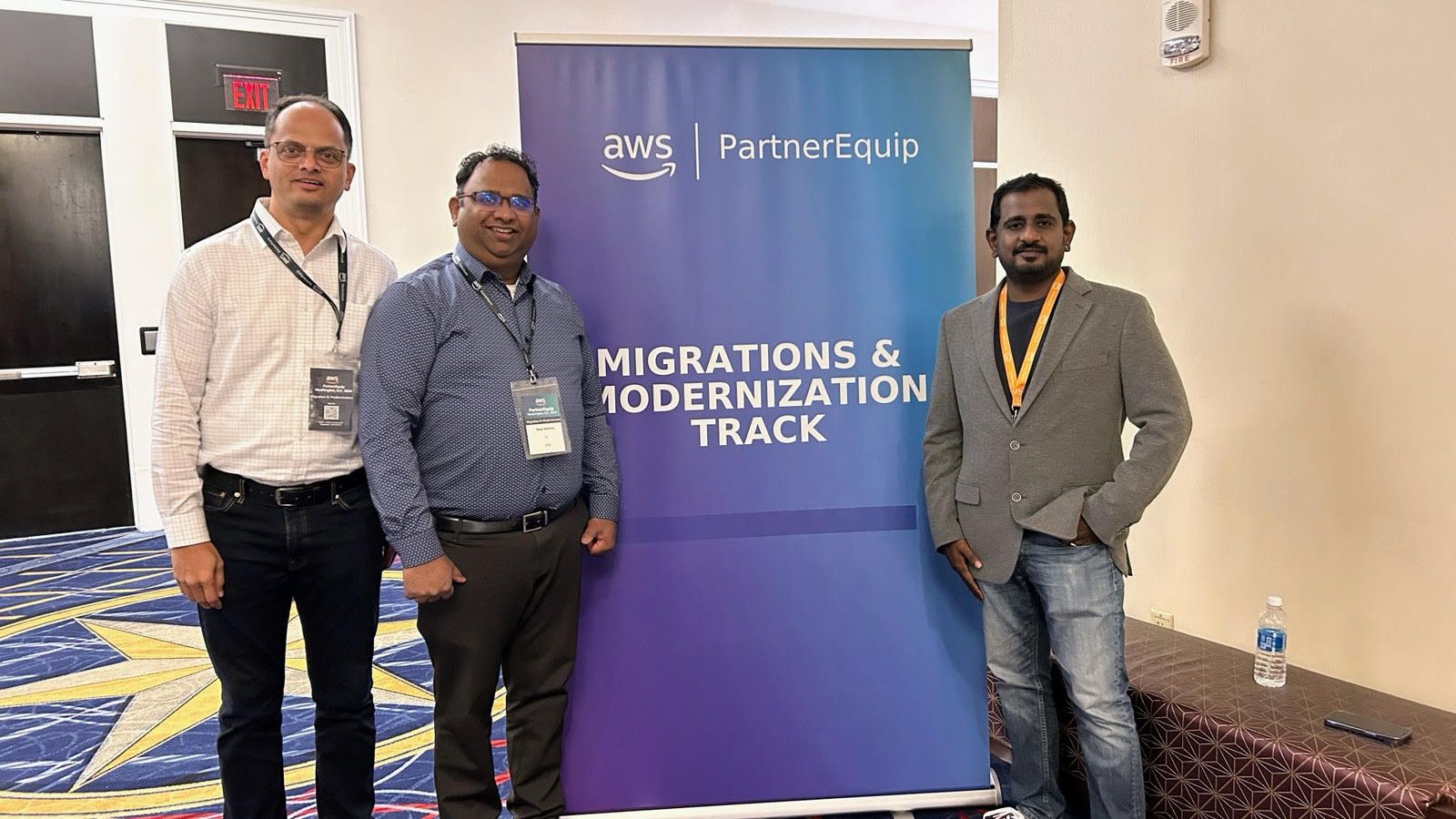
CIO Blaze Mathew was building on the momentum from AWS PartnerEquip in Washington DC last week! The Migration and Modernization track offered valuable insights into AWS solutions for tackling current and future challenges.

Contact Blaze if the following apply to your organization:
1. Do you run VMware workloads on-premise and would like to fast-track migration to AWS cloud?
2. Evaluate your Enterprise Application for a fast-track Application migration and modernization path to AWS cloud!

Benefits include:
*Increased agility for faster innovation,
*Scalability to meet growing demands and
*Cost-efficiency by optimizing resources.

Thanks to Amazon Amazon Web Services (AWS), Elamaran Shanmugam, and organizers for an enlightening experience!

AWSPartnerEquip MigrationAndModernization CloudInnovation DigitalTransformation

Categories
Insights News

Bharti Shah Receives Commendation as a Patriotic Employer

Bharti Shah Receives Commendation as a Patriotic Employer

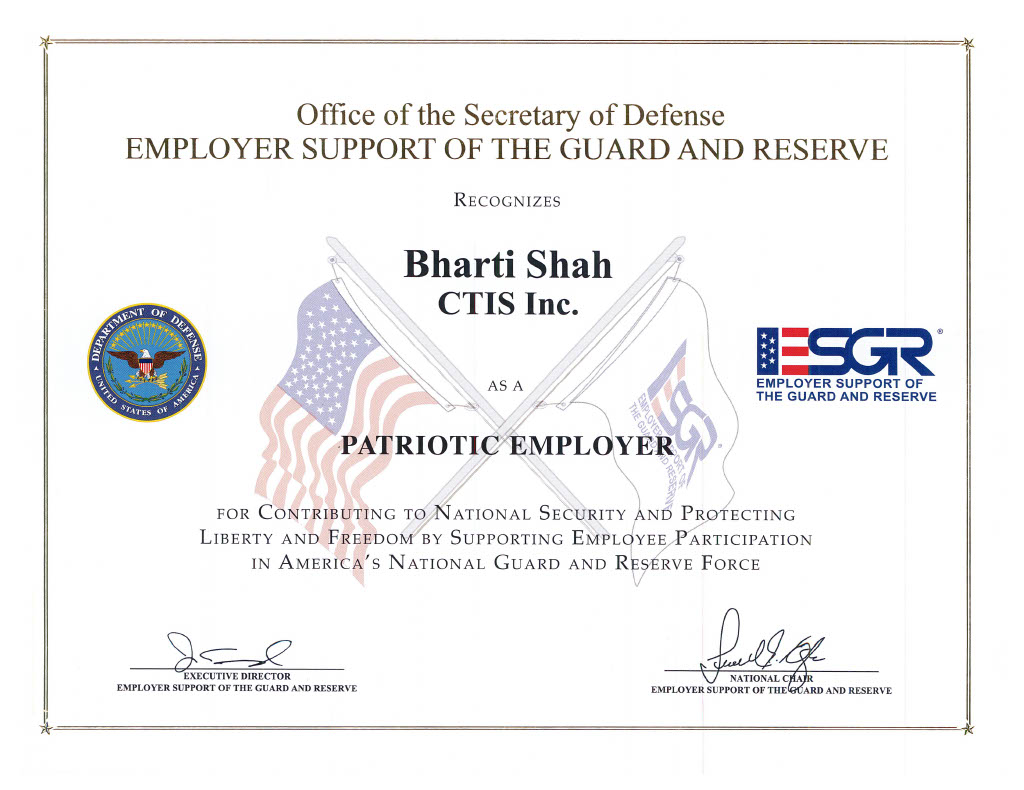
CTIS CEO Bharti Shah was awarded Patriotic Employer from the Office of the Secretary of Defense for her ongoing employer support of the National Guard and Reserves. Organizations such as CTIS who employ and recruit members of the National Guard and Reserves are key to supporting the U.S. Armed Forces, national defense, and readiness. 

For more information, visit https://www.esgr.mil/About-ESGR/Who-is-ESGR

Categories
Blog Insights

Advancing Cancer Research: How CTIS is Revolutionizing Clinical Trials with Cutting-Edge IT Solutions

Advancing Cancer Research: How CTIS is Revolutionizing Clinical Trials with Cutting-Edge IT Solutions

At CTIS, our team is deeply committed to advancing health decisions and increasing the efficiency of clinical trials through expert data management and analysis. Our collaboration with the National Cancer Institute’s Cancer Therapy Evaluation Program (CTEP) has led us to develop specialized IT solutions that significantly enhance the way cancer trials are conducted. These advanced tools make it easier for researchers to collaborate, speed up the reporting of critical data, and simplify trial processes.

Understanding Clinical Trials: A Simple Guide

Clinical trials play a crucial role in advancing medical science and enhancing patient care. These well-structured studies test new treatments, medications, and procedures to ensure they are safe and effective. They transform laboratory discoveries into real-world treatments that can benefit many. Here’s a straightforward guide to understanding clinical trials and their importance. 

What Are Clinical Trials?

Clinical trials are research studies designed to test new medical methods on people. These methods can include new drugs, medical devices, vaccines, or new uses for existing treatments. The main goal is to determine if these new methods are safe and effective for people.

Phases of Clinical Trials

Clinical trials are divided into phases, each with specific goals:

  • Phase 1: This initial phase tests the new treatment on a small group of healthy volunteers or patients. The focus is on ensuring safety, determining the right dosage, and identifying any side effects.
  • Phase 2: In this phase, the treatment is given to a larger group of patients who have the condition the treatment aims to address. Researchers assess the treatment’s effectiveness and continue to monitor for side effects.
  • Phase 3: This phase involves an even larger group of patients. The aim is to confirm the treatment’s effectiveness, check for side effects, and compare it with existing treatments. Results from this phase are critical for regulatory approval.
  • Phase 4: After a treatment is approved and available to the public, Phase 4 trials continue to observe its long-term effects and gather more data on its safety and effectiveness.

How Clinical Trials Work

Participants join clinical trials through medical centers or clinics. They first receive detailed information about the study, including its purpose, procedures, risks, and benefits, and then consent to participate.

Participants are typically divided into groups. One group may receive the new treatment, while another group gets a standard treatment or placebo (a dummy treatment). This setup helps researchers compare the new treatment’s effectiveness and safety against the standard options.

During the trial, participants are closely monitored. Researchers collect data through tests, questionnaires, and physical exams to understand how the treatment affects them and to identify any potential side effects.

Why Clinical Trials Are Important

Clinical trials are essential for several reasons:

  • Developing New Treatments: They are the primary method for testing and introducing new therapies. Without them, many medical advancements wouldn’t be possible.
  • Improving Existing Treatments: Trials can identify ways to enhance current treatments, making them more effective or reducing their side effects.
  • Ensuring Safety and Efficacy: They ensure that new treatments are thoroughly tested for safety and effectiveness before becoming widely available.
  • Personalizing Medicine: They help in tailoring treatments to individual patients based on their specific needs and characteristics.

Conclusion

Clinical trials are vital for medical research and improving healthcare. They provide the evidence needed to develop and refine treatments. Understanding the phases and processes involved highlights the significant effort behind new treatments and their impact on medicine’s future. If you’re considering participating in a clinical trial, it’s important to consult with your healthcare provider to fully understand the potential benefits and risks.

At CTIS, we’re dedicated to making clinical trials and drug development better. Our hard work has been recognized with awards from esteemed organizations like the National Institutes of Health (NIH) and the National Cancer Institute (NCI). These awards underscore the real difference we’re making in research and treatment. By continually refining clinical trial methods, we help develop new therapies and improve health outcomes. Our mission is to significantly advance medical research, leading to more effective treatments and enhanced patient care.